
Two Uses of a Room Called Glass Tranquillity
The Glass RoomThis flow contrasts Tomáš’s use of the room as an escape from time with Zdenka’s use of it for care, dance, and remembered history.
increasing Bearing strength in each event
 decreasing
Bearing strength in each eventdecreasingTomáš Finds Stillness

The Present as Refuge
A private philosophy
Tomáš thinks that only the present truly exists. He uses the Glass Room’s quiet, open space to set aside both the political past and an uncertain future.
The room becomes a refuge from the suffering he encounters in his medical work.
The danger of stillness
His philosophy gives him relief but also discourages commitment. By refusing future obligations, he avoids some responsibilities that matter deeply to Zdenka.
Zdenka’s Work with Children
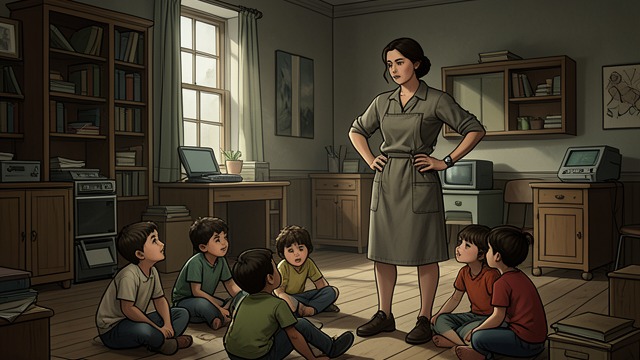
Space Used for Recovery
A practical purpose
Zdenka leads children through exercises in the large room. The open floor lets them move and gives her a setting where encouragement matters as much as technical treatment.
She experiences each child’s struggles as emotionally significant.
Care against detachment
Tomáš tells her to keep distance, but Zdenka cannot treat the children’s lives as clinical problems alone. Her approach challenges his belief that emotional involvement makes care less effective.
The Dance of Ondine
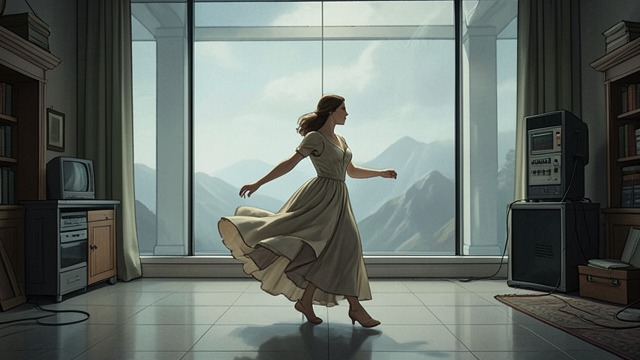
A Performance in the Room
A dancer returns
Zdenka dances Ravel’s “Ondine” in the Glass Room, revisiting the artistic self she had to leave behind after injury. Tomáš sees her as a water spirit moving through a transparent enclosure.
The performance deepens their attraction and shapes the myth through which he understands her.
Desire without a home
Their intimacy begins in the gym because they have no appropriate private space. The room offers freedom while also keeping their relationship outside ordinary domestic life.
Hana Brings History Back
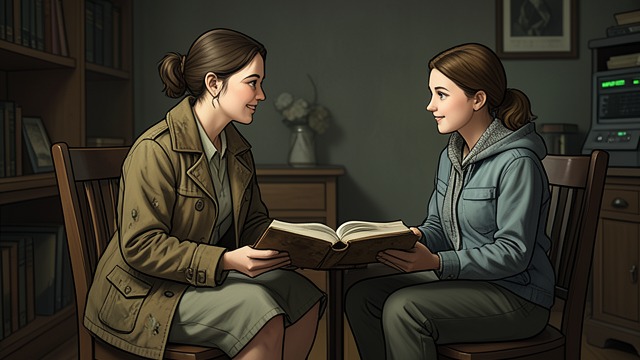
The Past Enters the Present
A former inhabitant’s account
Hana tells Zdenka about Liesel, the Landauer family, and the house’s wartime use. Her personal knowledge complicates Tomáš’s preference to treat the room as a timeless setting.
The building’s past becomes visible through testimony rather than architecture alone.
A new kind of intimacy
Hana’s friendship and confession turn the space into a place of trust. Zdenka begins to see that the room’s present life is shaped by many earlier lives.
The Room Holds All Its Lives
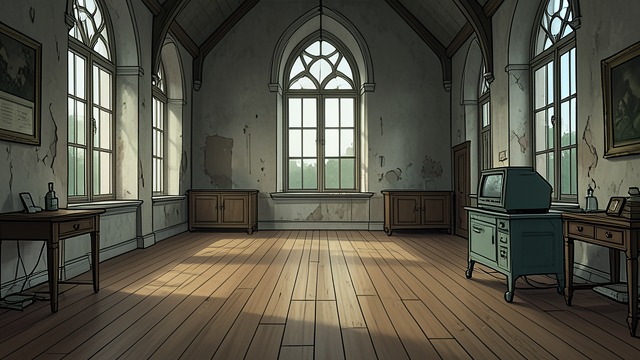
A Space Beyond One Meaning
History accumulated
The Glass Room has held family life, Nazi research, wartime damage, medical treatment, dance, and public tours. No single use can claim to explain the whole space.
Tomáš’s wish to escape history and Zdenka’s desire to preserve its traces both prove incomplete.
Shared but unequal memory
Liesel recognizes the room through personal memory, while others know it through work, politics, or public heritage. Its significance comes from these overlapping lives rather than a single official interpretation.
After Tomáš begins working in the gymnasium
During her physiotherapy classes
During Tomáš and Zdenka’s early relationship
During the heritage committee visits
During Liesel’s return in 1990
